The Spiritual Significance of Bal Hanuman's Leap
Discover the profound metaphysical and spiritual meanings behind the beloved story of Bal Hanuman leaping toward the rising sun.
The Leap of Faith: When Bal Hanuman Mistook the Sun for a Fruit
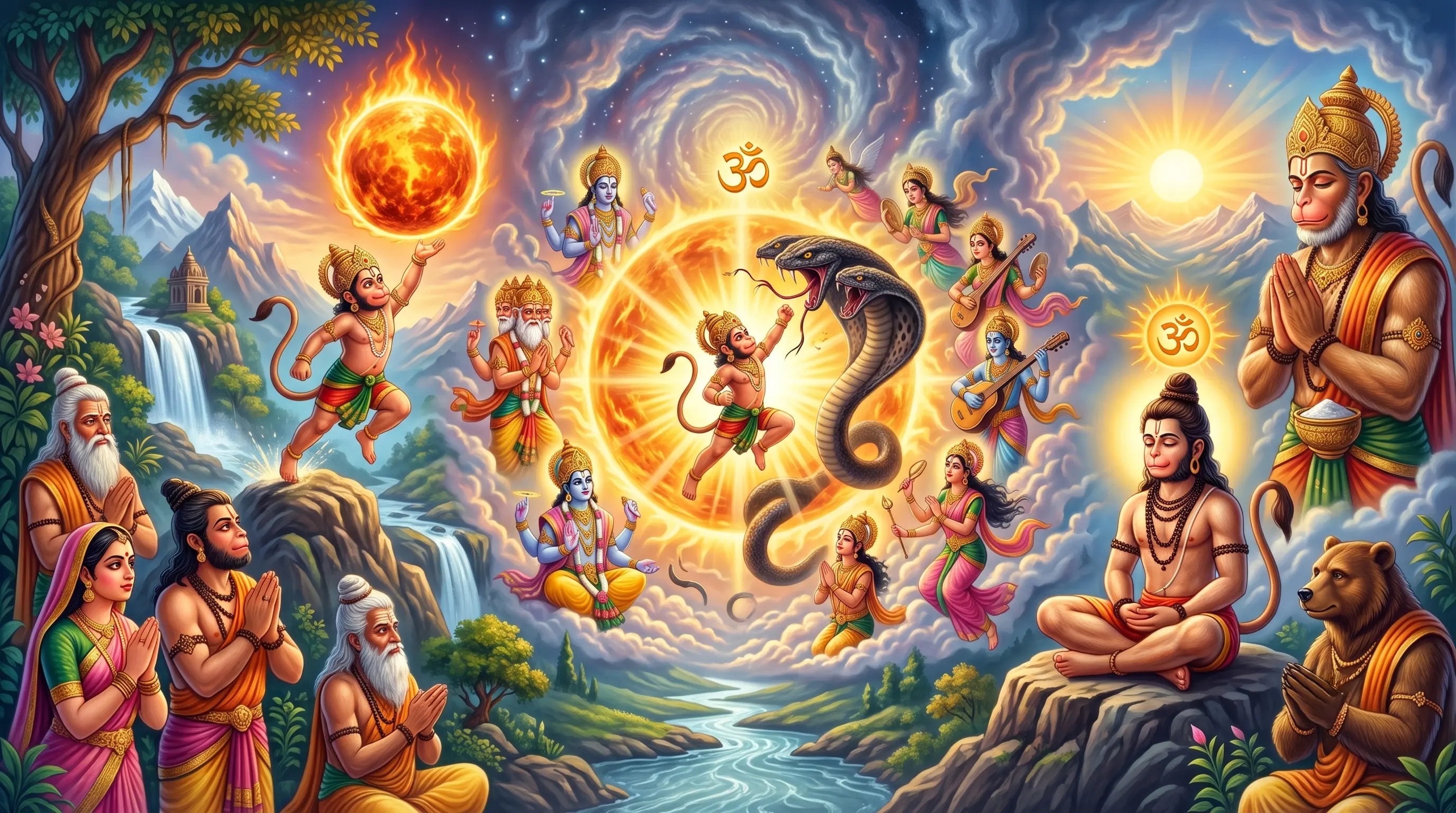
In the quiet, sacred forests of Kishkindha, a young child awoke with a boundless hunger that no ordinary fruit could satisfy. This was no ordinary child, but Anjani-putra, the son of the wind god Vayu. Looking out into the crimson dawn, his eyes fell upon a glowing, golden orb rising over the horizon. To his pure, unconditioned heart, this radiant sphere looked like a sweet, ripe fruit waiting to be plucked. With an effortless leap that defied gravity and stunned the celestial realms, Bal Hanuman soared into the cosmos.
This beloved episode from our scriptures is much more than a delightful story told to children. It is a profound allegory rich with spiritual wisdom, representing the soul’s inherent urge to seek the ultimate light of consciousness.
The Cosmic Pursuit and Divine Intervention
According to ancient narratives, as Bal Hanuman sped toward the sun, his sheer speed and energy alarmed the cosmos. Rahu, who was returning to eclipse the sun, found himself outrun by the swift young monkey. Sensing a threat to cosmic order, Indra, the king of the devas, intervened by striking the young seeker with his thunderbolt (Vajra). The blow struck Hanuman on his jaw (hanu), causing him to fall unconscious back to Earth.
Devastated by his son's plight, Vayu, the life breath of the universe, withdrew himself, causing all living beings to gasp for air. To restore balance, the creator Brahma intervened, healing the child. Each deva then bestowed unique boons upon him—immunity from weapons, water, and fire, along with unmatched strength and speed. Thus, the physical fall of Hanuman became the catalyst for his transformation into an invincible, divine protector.
The Spiritual Symbolism of the Sun
In Hindu philosophy, the Sun (Surya) is not merely a celestial body, but the physical manifestation of the self (Atman) and the ultimate source of knowledge (Jnana). Bal Hanuman’s leap represents the soul's natural, intense craving for this divine wisdom:
- The Pure Mind: Just like a child who sees no barriers, a pure, unclouded mind is naturally drawn toward spiritual truth without doubt or hesitation.
- The Soul's Yearning: Our worldly desires are often misdirected attempts to seek that cosmic brightness. Just as Hanuman mistook the sun for a fruit, humanity often mistakes temporary worldly pleasures for the ultimate source of bliss.
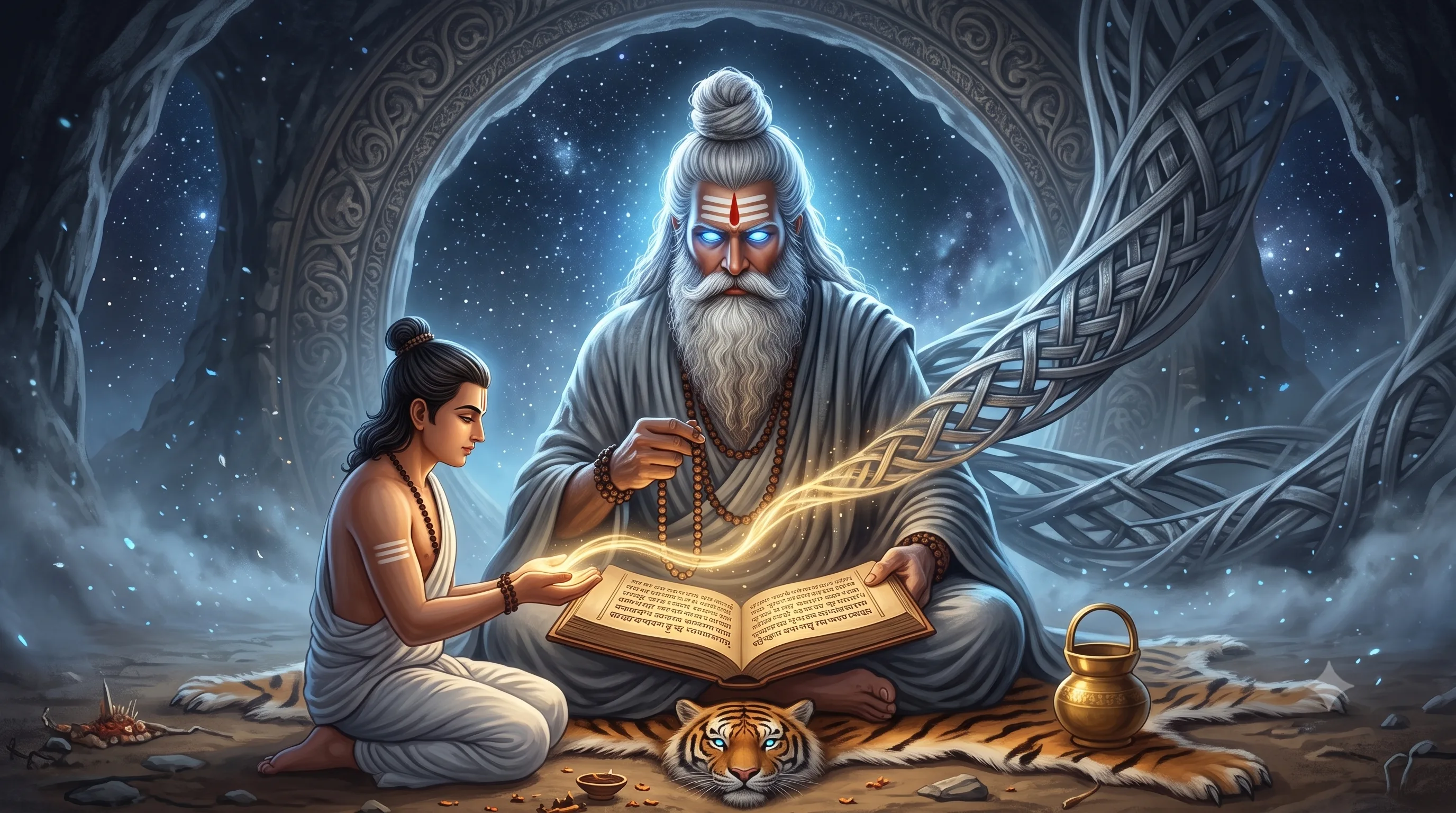
- The Role of the Guru: Interestingly, the Sun, which Hanuman once tried to capture, later became his Guru. Surya Dev taught Hanuman the sacred scriptures, representing how our initial, raw pursuits eventually mature into disciplined spiritual practice under a guide.
The Vajra Strike: Dissolution of Ego
The striking of Hanuman's jaw by Indra’s Vajra carries a deep message for sadhaks (spiritual seekers). The word hanu means jaw, and the injury represents the breaking of pride and ego. Before a seeker can receive divine powers, their ego must be shattered. Only when Hanuman surrendered to the cosmic flow did he receive the blessings of all the devas, transforming his raw strength into selfless devotion (Bhakti) and absolute protection.
"By remembering the leap of Hanuman, we are reminded of our own hidden spiritual potential, waiting to be awakened by pure devotion and selflessness."
Awakening the Bal Hanuman Within Us
For modern devotees, Bal Hanuman’s leap teaches us to cultivate a vibrant, childlike curiosity toward our spiritual growth. When we approach our sadhana with the pure, courageous heart of a child, no horizon is too distant. Let us pray to Mahavira to bless us with the strength to leap over our doubts, conquer our inner darkness, and bask in the eternal light of divine knowledge.